Table of Contents
What is the Process of Building Maintenance? | 10 Key Steps
Introduction
What is the process of building maintenance? This crucial question is essential for property owners, facility managers, and maintenance teams who want to ensure buildings remain safe, functional, and in excellent condition. Building maintenance involves routine inspections, preventive measures, repairs, and improvements to enhance the longevity and efficiency of a structure. Whether managing a residential property, office space, or commercial facility, understanding the building maintenance process is key to avoiding costly repairs and ensuring compliance with safety regulations.
1. Initial Building Assessment and Planning
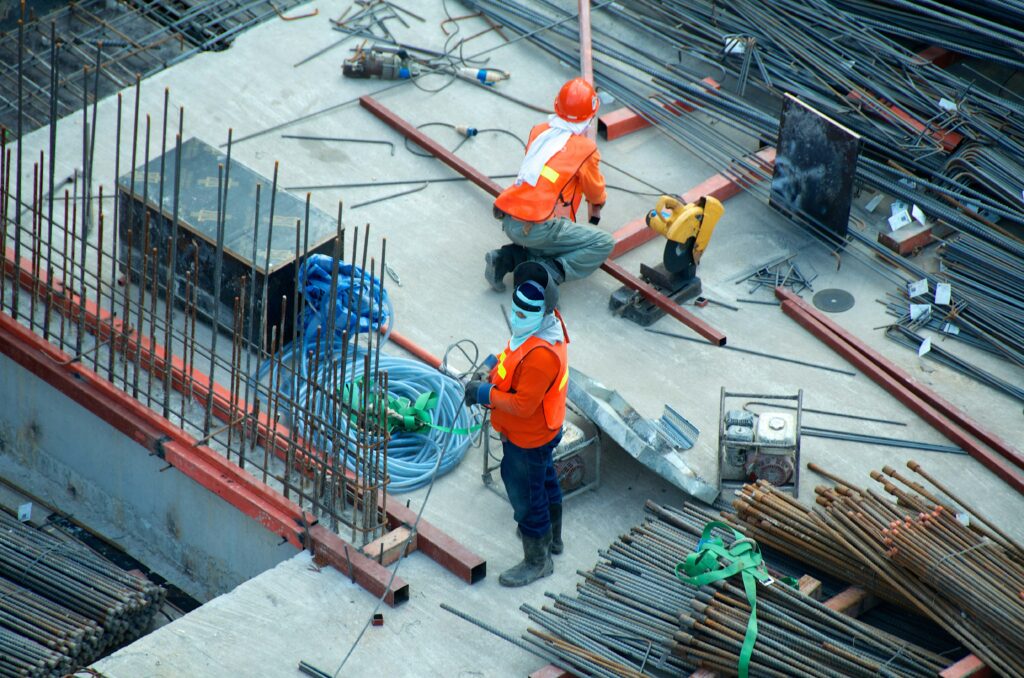
The first step in the building maintenance process is conducting an initial assessment. This involves:
- Evaluating the overall condition of the structure.
- Identifying immediate maintenance needs.
- Creating a maintenance schedule and budget.
2. Routine Inspections and Monitoring
Regular inspections help detect issues before they escalate. Common areas for inspection include:
- Plumbing systems
- Electrical wiring
- Roofing and gutters
- HVAC systems
3. Preventive Maintenance
Preventive maintenance is crucial for extending the lifespan of building components. This includes:
- Cleaning and servicing HVAC systems
- Replacing worn-out filters
- Sealing cracks and leaks
4. Emergency Repairs and Response Plan
Unexpected issues such as plumbing leaks, electrical failures, or structural damage require immediate attention. Having an emergency response plan ensures:
- Quick identification of problems
- Immediate repairs to prevent further damage
- Coordination with professional service providers
5. Process of Building Maintenance, Cleaning and Sanitation
Maintaining hygiene is an integral part of building maintenance. Regular cleaning tasks include:
- Floor cleaning and sanitization
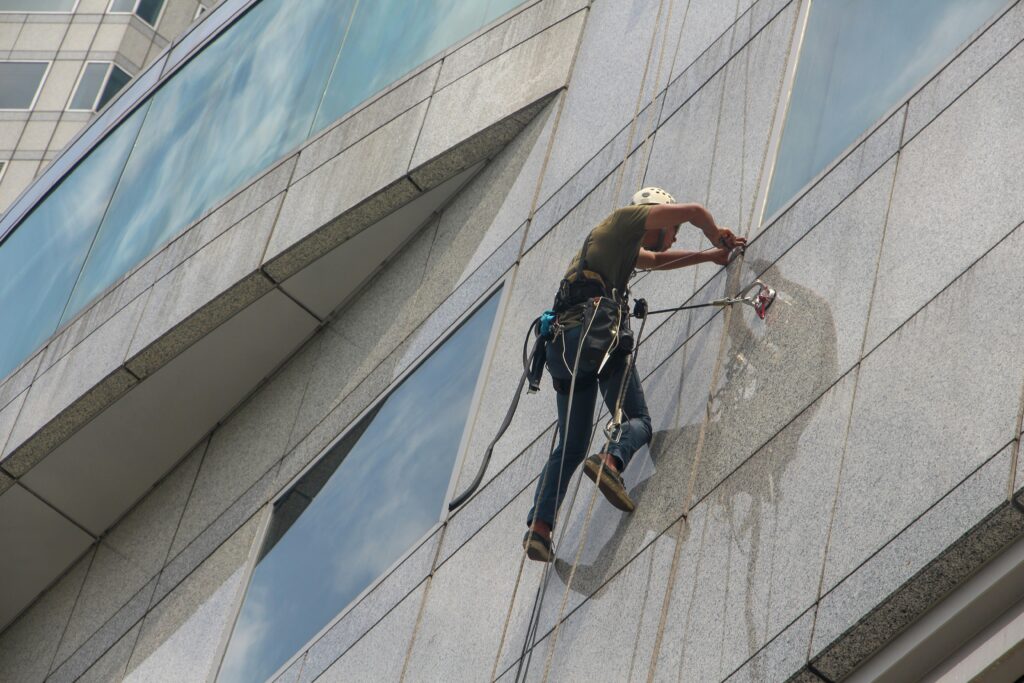
- Window washing
- Trash removal
- Disinfecting common areas
6. Structural Maintenance and Repairs
Buildings deteriorate over time due to environmental factors and wear and tear. Essential structural maintenance includes:
- Fixing cracks in walls and ceilings
- Repairing roofs and waterproofing surfaces
- Strengthening weak foundations
7. HVAC System Maintenance
A well-functioning HVAC system ensures proper ventilation, heating, and cooling. Routine tasks include:
- Cleaning air ducts
- Inspecting and repairing heating units
- Replacing old thermostats
8. Landscaping and Outdoor Process of Building Maintenance
The exterior of a building contributes to its curb appeal and overall safety. Important outdoor maintenance tasks include:
- Lawn care and tree trimming
- Parking lot maintenance
- Pest control
9. Security and Safety Measures
Ensuring a building’s security is critical for residents and occupants. Security-related maintenance includes:
- Checking and repairing security systems
- Installing and maintaining fire alarms
- Upgrading door locks and access controls
10. Documentation and Compliance
Keeping maintenance records and ensuring compliance with local building regulations is essential. This involves:
- Maintaining logs of completed repairs
- Scheduling inspections as per regulations
- Updating building codes and permits
Conclusion
What is the process of building maintenance? It involves a combination of routine inspections, preventive care, emergency repairs, and compliance with safety regulations. By following these essential steps, property managers and building owners can ensure the longevity, efficiency, and safety of their structures. Regular maintenance not only prevents costly damages but also enhances the value and functionality of a building.
FAQ
1. What is the process of building maintenance?
The process includes initial assessment, routine inspections, preventive maintenance, emergency repairs, and compliance with safety standards.
2. Why is preventive maintenance important for buildings?
Preventive maintenance helps extend the lifespan of building systems, reduces repair costs, and enhances safety.
3. How often should building maintenance be performed?
Routine maintenance should be conducted weekly, monthly, and annually depending on the system and structure.
4. What are common building maintenance issues?
Common issues include plumbing leaks, HVAC malfunctions, electrical faults, and structural damage.
5. How can I reduce building maintenance costs?
Regular inspections, preventive maintenance, and timely repairs help minimize long-term costs.
6. What is included in emergency building maintenance?
Emergency maintenance covers urgent repairs like burst pipes, electrical failures, and security system malfunctions.
7. What role does cleaning play in building maintenance?
Cleaning helps maintain hygiene, prevent deterioration, and improve indoor air quality.
8. How does HVAC maintenance impact a building?
Proper HVAC maintenance ensures efficient temperature control, lowers energy costs, and improves air quality.
9. What security measures should be part of building maintenance?
Installing alarms, surveillance cameras, and access control systems enhances security and prevents unauthorized entry.
10. Who should handle building maintenance tasks?
Building maintenance can be handled by property managers, facility maintenance teams, or professional maintenance service providers.