Table of Contents
Security services log in Introduction
Security services log in is a critical process for ensuring secure access to sensitive systems and data. Whether you are managing business operations, client information, or personal data, a secure log in system protects against unauthorized access and cyber threats. With the rise of online threats, strengthening your security services log in is essential for maintaining data integrity and user privacy.
In this guide, we will explore best practices for enhancing security services log in procedures, ensuring safe and seamless access.
What Is Security Service Log In?
Security service log in refers to the process of accessing secure systems or platforms through a controlled and authenticated mechanism. It involves user authentication, access management, and protection against unauthorized logins. A robust security service log in ensures that only authorized personnel can access sensitive systems, reducing the risk of breaches.

1. Importance of Secure Security Service Log In
Ensuring a secure security service log in process protects sensitive data and prevents unauthorized access. Poorly managed log in systems can lead to data breaches, financial loss, and reputational damage.
Key Benefits:
- Enhanced data protection
- Reduced risk of cyberattacks
- Improved compliance with security regulations
2. Multi-Factor Authentication (MFA) for Security Service Log In
Implementing multi-factor authentication is one of the most effective ways to secure security service log in. MFA requires users to provide two or more verification factors to gain access, adding an extra layer of protection.
Key Features:
- Two-factor or biometric authentication
- Enhanced identity verification
- Reduced password vulnerability
3. Strong Password Policies for Security Service Log In
Enforcing strong password policies helps secure security services log in by reducing the likelihood of password-related breaches. Users should create complex passwords and update them regularly.
Best Practices:
- Require complex passwords (uppercase, lowercase, numbers, symbols)
- Implement password expiration policies
- Use password managers for better security
4. Role-Based Access Control (RBAC) for Secure Log In
Role-based access control (RBAC) restricts access to systems based on user roles. This approach ensures that employees only have access to the data and functions required for their specific jobs.
Key Features:
- Granular access control
- Reduced insider threat risks
- Simplified user management
5. Regular Monitoring and Auditing of Log In Activities
Monitoring and auditing log in activities is vital for identifying suspicious behavior and ensuring compliance with security policies. Regular audits help detect anomalies and unauthorized access attempts.
Key Features:
- Real-time activity logs
- Anomaly detection
- Compliance reporting
Common Challenges in Security Service Log In
- Weak or reused passwords
- Lack of user training on security protocols
- Inefficient access management systems
- Failure to monitor and audit log in activities
- Inadequate multi-factor authentication implementation
Solutions to Strengthen Security Service Log In
- Implementing MFA and strong password policies
- Regular user education on cybersecurity
- Automating user provisioning and deprovisioning
- Conducting periodic security audits
- Using advanced threat detection systems
How to Choose the Right Security Service Log In System
When selecting a security services log in system, consider these key factors:
- User Authentication Methods: Ensure support for multi-factor authentication and biometrics.
- Scalability: Choose a system that grows with your organization.
- Compliance: Verify alignment with industry regulations.
- User Experience: Balance strong security with ease of access.
Best Practices for Security Services Log In
- Enforce strong password requirements and MFA.
- Implement RBAC for restricted access.
- Monitor log in activity for suspicious behavior.
- Educate users on secure log in practices.
- Regularly audit and update log in procedures.
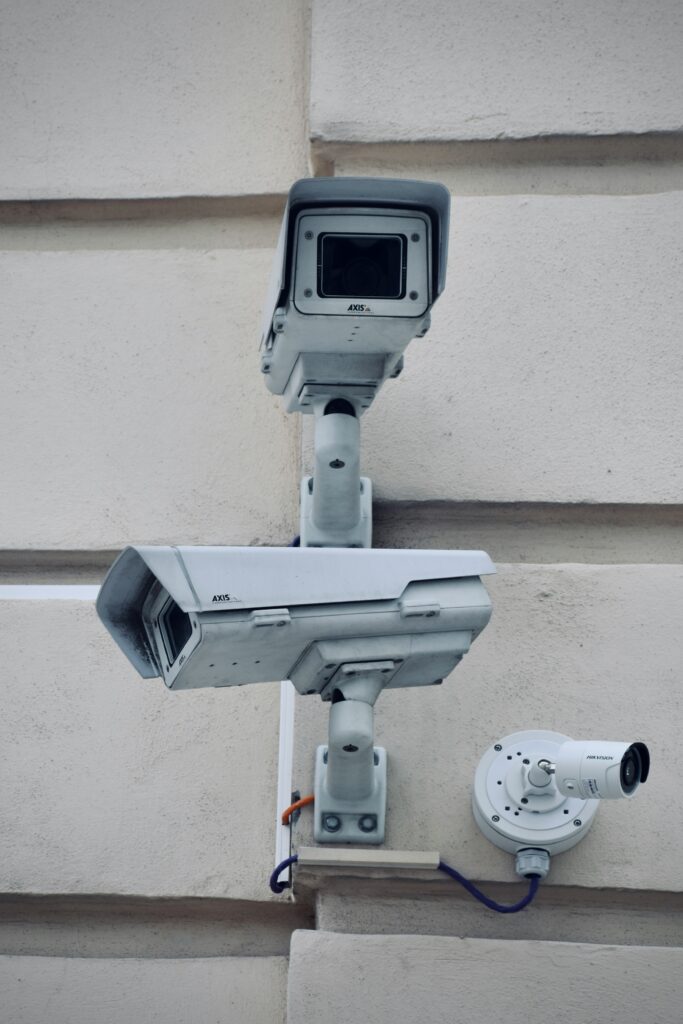
Future of Security Service Log In
The future of security services log in focuses on advanced authentication methods and AI-driven security. Emerging technologies like biometric authentication and behavior-based analytics will further enhance log in security.
FAQs
What is a security services log in?
A security services log in is the process of securely accessing systems through authentication methods, ensuring that only authorized users can enter.
Why is multi-factor authentication important for security services log in?
Multi-factor authentication adds extra verification steps, reducing the risk of unauthorized access and strengthening login security.
How can businesses improve their security services log in?
Businesses can enhance security by implementing MFA, strong passwords, RBAC, and regular audits of login activities.
What are common threats to security services log in?
Common threats include password attacks, phishing, and unauthorized access due to weak authentication.
How does role-based access control improve security services log in?
RBAC limits access to sensitive data based on user roles, reducing the risk of insider threats and accidental data exposure.