Table of Contents
What is Basic HVAC Knowledge? A Complete Guide for Beginners
Understanding basic HVAC knowledge is essential for homeowners, business owners, and technicians who want to ensure their heating, ventilation, and air conditioning (HVAC) systems operate efficiently. HVAC systems regulate indoor temperature, improve air quality, and maintain comfort throughout the year. This guide will break down everything you need to know about HVAC systems, their components, maintenance tips, and how they function.
📢 Looking for Reliable HVAC Services?
What is Basic HVAC Knowledge and Why is it Important?
HVAC stands for Heating, Ventilation, and Air Conditioning. It refers to the technology used for indoor environmental comfort. Understanding HVAC basics helps you maintain energy efficiency, improve air quality, and reduce utility costs.
Key Reasons to Learn Basic HVAC Knowledge:
- Helps in troubleshooting common HVAC problems
- Reduces energy consumption and electricity bills
- Increases the lifespan of HVAC equipment
- Improves indoor air quality for better health
- Ensures compliance with safety and environmental regulations
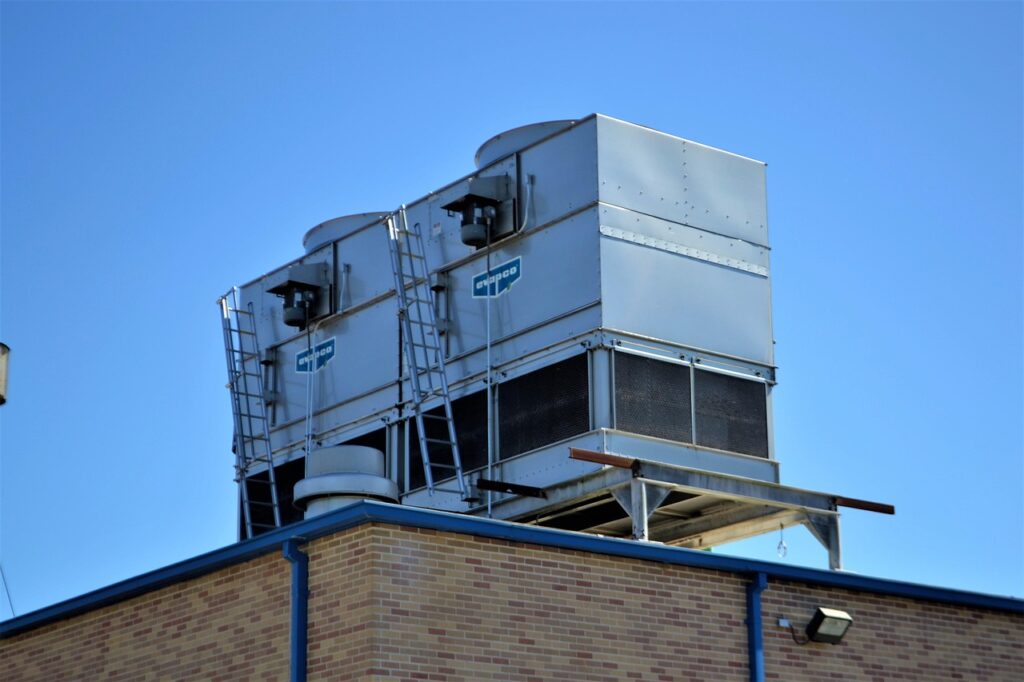
Components of an HVAC System
To understand what is basic HVAC knowledge, you must first know the main components of an HVAC system:
1. Heating System
The heating system includes furnaces, heat pumps, and boilers. These components generate warmth and distribute it throughout the building using ducts or radiators.
2. Ventilation System
Ventilation systems ensure fresh air circulates indoors, removing excess moisture, smoke, odors, and pollutants. There are two types:
- Mechanical Ventilation: Uses fans and ducts to regulate airflow.
- Natural Ventilation: Uses windows, vents, and openings to bring fresh air inside.
3. Air Conditioning System
The air conditioning system cools the indoor environment by removing heat and humidity. It consists of compressors, condensers, evaporators, and refrigerants.
4. Thermostat
A thermostat controls the temperature by regulating when the heating or cooling system turns on or off.
How Does an HVAC System Work?
The working principle of an HVAC system involves four main processes:
- Heating: The furnace or heat pump generates warm air, which is distributed through ducts.
- Cooling: The AC removes heat and humidity from the indoor air, releasing cool air.
- Ventilation: The system exchanges indoor and outdoor air to maintain air quality.
- Air Filtration: Filters trap dust, pollen, and pollutants to enhance air cleanliness.
🔥 Want to Optimize Your HVAC System?
Regular Maintenance Tips for HVAC Efficiency
Maintaining your HVAC system properly can prevent costly repairs and improve efficiency. Here are key maintenance tasks:
- Change air filters every 1-3 months.
- Clean vents and ducts to avoid blockages.
- Schedule professional HVAC inspections annually.
- Check refrigerant levels for AC efficiency.
- Inspect thermostat settings for optimal performance.
- Lubricate moving parts to prevent wear and tear.
Common HVAC Problems and How to Fix Them
1. Uneven Heating or Cooling
- Solution: Check air filters, inspect ducts, and ensure vents are open.
2. AC Blowing Warm Air
- Solution: Clean condenser coils, check refrigerant levels, and inspect the compressor.
3. High Energy Bills
- Solution: Upgrade insulation, seal leaks, and use a programmable thermostat.
4. Unusual Noises
- Solution: Tighten loose components, lubricate parts, and replace worn belts.
5. Poor Airflow
- Solution: Clean ducts, change filters, and inspect blower motors.
Energy-Saving Tips for HVAC
1. Upgrade to a Smart Thermostat
Smart thermostats help regulate temperature efficiently, reducing energy waste.
2. Use Ceiling Fans
Ceiling fans distribute air evenly, reducing the load on HVAC systems.
3. Seal Windows and Doors
Proper insulation prevents air leaks, enhancing HVAC efficiency.
4. Schedule Regular Maintenance
Routine check-ups help identify and fix issues before they escalate.
5. Replace Old HVAC Systems
If your HVAC system is over 15 years old, consider upgrading to a more energy-efficient model.
🚀 Need Emergency HVAC Support?
FAQ – What is Basic HVAC Knowledge?
1. What is the main purpose of an HVAC system?
The primary function of an HVAC system is to regulate indoor temperature, improve air quality, and provide comfort.
2. How often should I change my HVAC filters?
HVAC filters should be changed every 1 to 3 months depending on usage and air quality.
3. What are signs that my HVAC system needs repair?
Common signs include uneven heating/cooling, unusual noises, high energy bills, and poor airflow.
4. How can I improve HVAC efficiency?
Regular maintenance, sealing leaks, using a smart thermostat, and upgrading insulation can improve efficiency.
5. What is the lifespan of an HVAC system?
Most HVAC systems last between 15 to 20 years with proper maintenance.
Final Thoughts
Understanding what is basic HVAC knowledge helps homeowners and business owners maintain their HVAC systems efficiently, reducing energy costs and improving indoor comfort. By following the tips in this guide, you can extend your system’s lifespan and optimize performance.
Follow us on Facebook for Quick Response & Quires – 24/7 Task Connect