Table of Contents
What is the Most Common HVAC Problem? Top Issues & Solutions
What is the most common HVAC problem? Many homeowners face HVAC issues that affect comfort and energy efficiency. HVAC systems can develop problems over time due to wear and tear, poor maintenance, or faulty components. Understanding these issues can help you prevent costly repairs and keep your system running efficiently.
📢 Need Quick HVAC Repairs?
What is the Most Common HVAC Problem and Its Causes?
The most common HVAC problems include dirty filters, thermostat malfunctions, refrigerant leaks, and airflow issues. These problems can lead to inefficient heating or cooling, high energy bills, and system breakdowns.
Top Causes of HVAC Problems:
- Lack of regular maintenance
- Clogged or dirty air filters
- Electrical component failures
- Thermostat malfunctions
- Refrigerant leaks
- Poor insulation or duct leaks
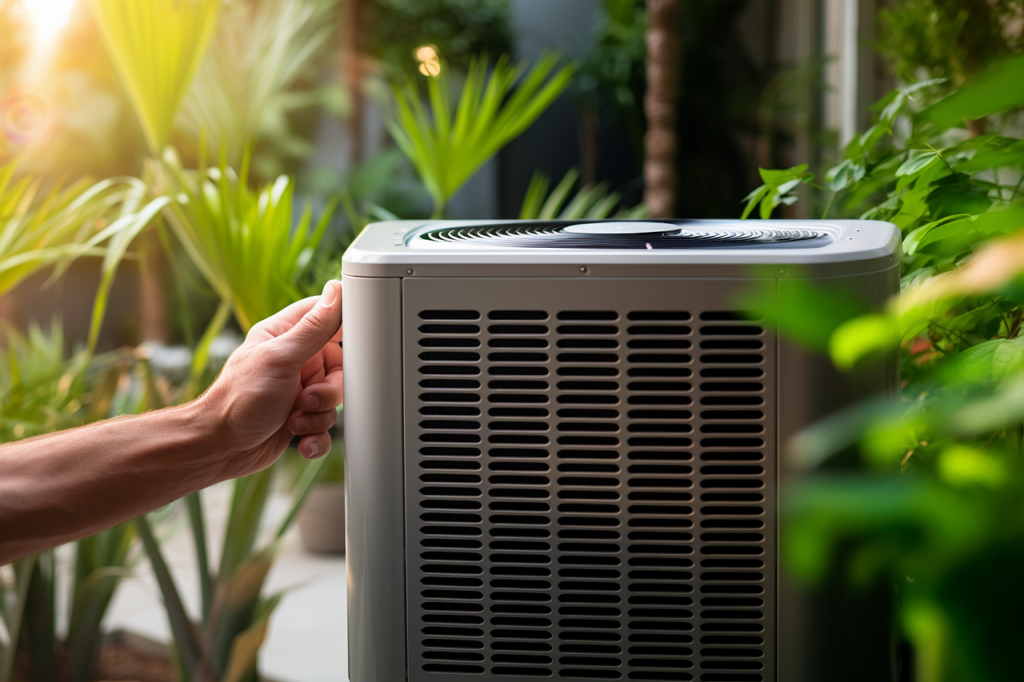
7 Most Common HVAC Problems and Their Fixes
1. Clogged or Dirty Air Filters
Air filters trap dust, dirt, and allergens, but over time they become clogged, reducing airflow and efficiency.
Fix: Change air filters every 1-3 months to ensure proper airflow and system efficiency.
2. Thermostat Malfunctions
A faulty thermostat can cause incorrect temperature readings, leading to heating or cooling issues.
Fix: Check battery levels, recalibrate settings, or upgrade to a smart thermostat.
3. Refrigerant Leaks
Low refrigerant levels affect your HVAC’s cooling capacity, making your system work harder.
Fix: Contact an HVAC professional to detect and repair leaks before recharging the refrigerant.
4. Dirty or Frozen Evaporator Coils
Evaporator coils absorb heat, but dirt buildup or ice formation can reduce their efficiency.
Fix: Clean coils regularly and check for airflow blockages to prevent freezing.
5. Poor Airflow Due to Duct Issues
Leaky or blocked ducts can reduce airflow, making it difficult to heat or cool rooms evenly.
Fix: Inspect ducts for leaks and seal them properly. Clean vents and registers to allow proper airflow.
6. Electrical Component Failures
Capacitors, relays, and wiring can wear out over time, leading to system failures.
Fix: Schedule regular inspections to identify faulty electrical components before they cause breakdowns.
7. Strange Noises or Unusual Smells
Grinding, rattling, or burning smells indicate potential HVAC issues.
Fix: Turn off the system and contact a professional to inspect for mechanical failures or gas leaks.
🔥 Want to Prevent HVAC Problems?
How to Prevent Common HVAC Problems
1. Regular Maintenance
Schedule professional HVAC maintenance at least twice a year to detect and fix issues early.
2. Keep Air Filters Clean
Replace air filters regularly to improve indoor air quality and airflow.
3. Inspect and Clean Ducts
Clean ductwork to prevent dust accumulation and check for leaks that may impact efficiency.
4. Check the Thermostat Settings
Make sure your thermostat is set to the correct mode and temperature for optimal performance.
5. Monitor Refrigerant Levels
If your AC is not cooling efficiently, have a professional check refrigerant levels and fix leaks.
6. Upgrade to Energy-Efficient HVAC Systems
Older HVAC systems may become inefficient over time. Upgrading to a modern, energy-efficient model can save on utility bills.
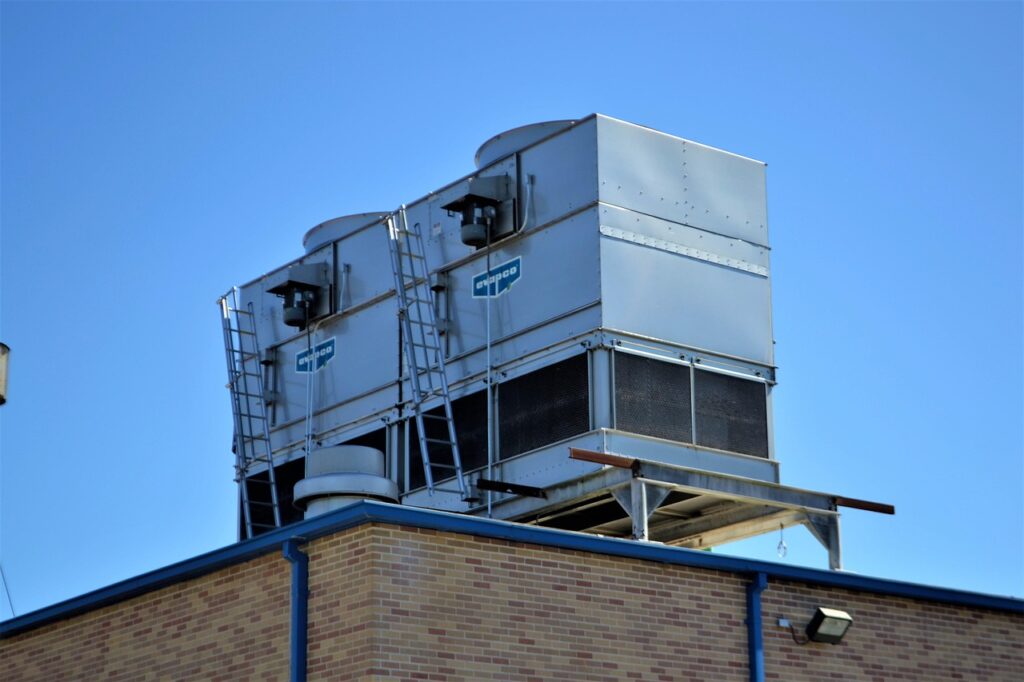
Energy-Saving Tips for HVAC Systems
- Use a programmable thermostat to adjust temperatures automatically.
- Seal windows and doors to prevent drafts and energy loss.
- Install ceiling fans to distribute air more evenly.
- Keep outdoor HVAC units free from debris and obstructions.
- Schedule seasonal tune-ups to keep your system in top shape.
🚀 Need Emergency HVAC Support?
FAQ – What is the Most Common HVAC Problem?
1. What is the most common reason for HVAC failure?
Clogged air filters and lack of maintenance are the most common reasons for HVAC system failure.
2. How do I know if my HVAC system has a refrigerant leak?
Signs of a refrigerant leak include reduced cooling efficiency, hissing noises, and frozen coils.
3. Why is my AC running but not cooling?
Possible reasons include dirty coils, refrigerant leaks, or a malfunctioning thermostat.
4. How often should I service my HVAC system?
It’s recommended to service your HVAC system twice a year—before summer and winter.
5. What should I do if my HVAC system makes unusual noises?
Turn off the system and have an HVAC professional inspect it for mechanical issues.
Final Thoughts
Understanding what is the most common HVAC problem can help you maintain your system efficiently and prevent costly repairs. By following maintenance tips and addressing issues early, you can improve system performance and reduce energy costs.
Follow us on Facebook for Quick Response & Quires – 24/7 Task Connect