Table of Contents
What is the Process of Solar Installation? A Complete Step-by-Step Breakdown
What is the process of solar installation? It’s the journey your home or business takes to transition from traditional electricity to clean, renewable solar energy. This process includes several key stages: consultation, design, permitting, installation, inspection, and activation. Whether you’re aiming to cut energy costs or reduce your carbon footprint, understanding the process of solar installation will help you plan with confidence.
Let’s walk through each step in a clear, simple way.
✅ What is the Process of Solar Installation in Simple Steps?
Before diving into the details, here’s a quick overview of the solar installation process:
- Site Assessment & Consultation
- System Design
- Permitting and Paperwork
- Solar Panel Installation
- Wiring and Inverter Setup
- Inspection and Final Approval
- System Activation (Grid Connection)
Now, let’s go deeper into each phase.
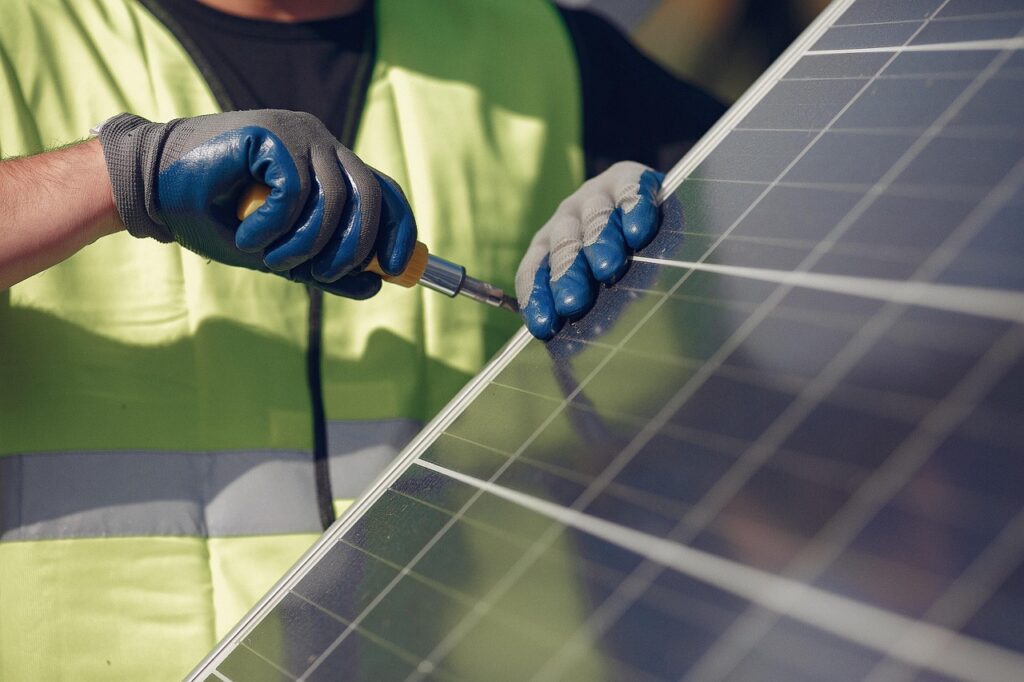
🏠 1. What is the Process of Solar Installation Starting With Site Assessment?
The process begins with a site visit or virtual consultation from a solar installer. They assess:
- Roof condition and size
- Sun exposure and shading
- Energy usage and bills
This helps determine how many solar panels you need and whether your property is suitable for installation.
📌 Pro Tip: Take note of trees or obstructions that may cast shade during the day.
🛠️ 2. What is the Process of Solar Installation in the Design Phase?
Once your site is approved, the next step is custom solar system design. Engineers and technicians will:
- Plan the layout of your solar panels
- Choose the right equipment (panels, inverters, mounting system)
- Estimate energy production and ROI
You’ll receive a proposal showing costs, expected savings, and project timelines.
🧾 3. Permits and Paperwork: A Critical Step
What is the process of solar installation without permits? It simply doesn’t happen. Local laws require:
- Building permits
- Electrical permits
- Interconnection approval from your utility
Your installer usually handles all of this, but keep in mind this phase can take 2–4 weeks, depending on your location.
⚡ 4. Solar Panel Installation Day
Installation is often the fastest and most exciting part. Here’s what typically happens:
- Mounts are installed on your roof or ground
- Solar panels are attached securely
- Racking systems are adjusted for optimal angle and sun exposure
Most residential installs take 1 to 3 days. Ground-mounted systems might take a bit longer.
🔌 5. What is the Process of Solar Installation for Wiring and Inverter Setup?
Next comes the electrical connection:
- Wires connect panels to the inverter
- The inverter converts DC power (from the sun) to AC power (for your home)
- A net meter may also be installed to track energy sent to the grid
All components are tested to ensure safety and performance.
🕵️ 6. Final Inspection and Approval
Before your system can go live, it must pass inspection:
- A local inspector ensures the system meets building codes
- Your utility company gives permission to operate (PTO)
This is a legal and safety requirement, and usually occurs 1–2 weeks after installation.
🔄 7. Activation: Your Solar Journey Begins
Once approved, your installer or utility company flips the switch — and your home begins generating clean energy! You’ll now start saving on electric bills and can monitor your system’s performance using a mobile app or online portal.
✅ Do Solar Panel Work in the Rain?
⏱️ How Long Does the Process of Solar Installation?
From consultation to activation, the full process typically takes 4 to 8 weeks:
- Site visit & design: 1–2 weeks
- Permitting: 2–4 weeks
- Installation: 1–3 days
- Inspection & grid connection: 1–2 weeks
Delays may occur due to weather or permitting backlogs.
🔄 What is the Process of Solar Installation for Off-Grid Systems?
Installing an off-grid solar system is a smart solution for homes, cabins, farms, or remote properties that don’t have access to the main power grid—or for those looking for energy independence. Unlike grid-tied systems, off-grid setups provide complete self-sufficiency, storing solar power for use 24/7.
But going off-grid isn’t as simple as placing a few panels on your roof. It’s a carefully planned process that involves more components and consideration than a typical grid-connected system.
Let’s break it down step by step:
☀️ 1. Site Assessment & Energy Audit
Before anything is installed, a solar expert will:
- Analyze your property’s sun exposure, shading, and orientation
- Review your energy needs, usage habits, and peak loads
- Assess your location’s weather patterns (especially important for off-grid reliability)
This helps determine how much solar power you’ll need and what type of system is best.
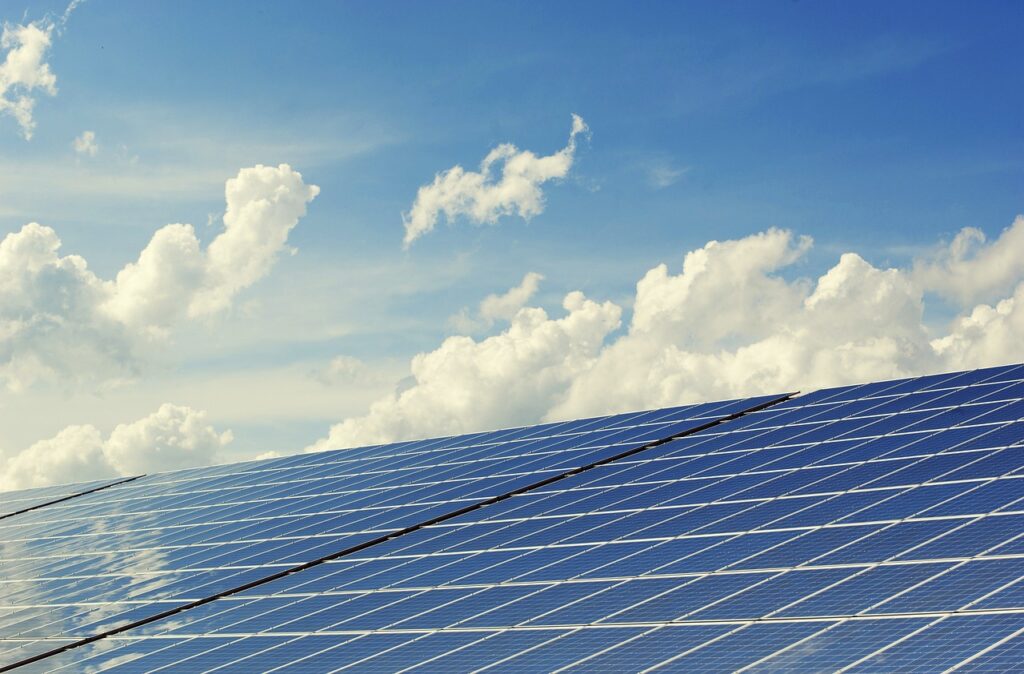
🔧 2. System Design & Sizing
Once your energy needs are clear, your installer will design a custom system that includes:
- Solar panels (to collect sunlight)
- Charge controller (to regulate power flow to batteries)
- Battery bank (to store energy for night or cloudy days)
- Inverter (to convert stored DC power into usable AC power)
- Backup generator (optional, but recommended for emergencies)
Your system must be properly sized to handle your daily consumption and provide autonomy (days of stored power without sun).
📝 3. Permits & Approvals
Although off-grid systems don’t connect to the utility grid, permits are still required in most areas. Your installer will help with:
- Electrical permits
- Building permits
- Environmental compliance (if applicable)
This ensures your system is safe, legal, and insurable.
🛠 4. Equipment Installation
Once everything is approved:
- Mounting structures are installed (on a roof, pole, or ground array)
- Panels are connected and wired to the charge controller
- Batteries are installed and safely housed (often in a ventilated shed or enclosure)
- The inverter and control systems are wired together
This phase usually takes a few days, depending on the size and complexity of the system.
✅ 5. System Testing & Commissioning
After installation, the system is:
- Tested to ensure it’s producing power and storing it correctly
- Monitored for voltage, current, and load balancing
- Fine-tuned to ensure it meets your actual usage patterns
You’ll also receive a walk-through or training on how to monitor and maintain your system.
💡 6. Ongoing Monitoring & Maintenance
While off-grid systems are low-maintenance, they do require occasional attention:
- Battery maintenance (especially with lead-acid batteries)
- System inspections to check wiring and connections
- Performance checks to ensure you’re getting optimal power
Some systems include remote monitoring apps so you can track performance in real time.
🔋 Key Benefits of Going Off-Grid
🔌 Power during grid outages or emergencies
💸 No utility bills—ever
🏕 Ideal for remote or rural locations
🌱 Complete energy independence
☀️ Ready to Go Off-Grid?
🌎 Benefits of Knowing What the Process of Solar Installation Is
Going solar is a smart move—but understanding the process of solar installation makes it even smarter. Whether you’re a homeowner, business owner, or property manager, knowing how solar installation works helps you make informed decisions, avoid surprises, and maximize your investment.
Here’s why being informed matters:
☀️ 1. You’ll Know What to Expect
Solar installation isn’t an overnight project—it’s a series of steps, including:
- Site assessment
- System design
- Permits and approvals
- Installation
- Inspection and activation
Knowing each stage helps you:
- Plan your schedule
- Understand timelines
- Ask the right questions No guesswork—just clarity.
💡 2. You’ll Make Smarter Financial Decisions
Solar installation comes with costs, incentives, and savings:
- Federal and state tax credits
- Utility rebates or solar renewable energy credits (SRECs)
- Long-term savings on energy bills
By understanding the process, you can:
- Compare quotes accurately
- Choose the best financing options (purchase, lease, or PPA)
- Maximize your ROI (return on investment)
🛠 3. You’ll Avoid Costly Mistakes
Some common pitfalls during installation include:
- Poor system placement
- Overpaying for equipment
- Failing to get necessary permits
Being familiar with the process allows you to:
- Vet contractors properly
- Catch red flags early
- Ensure your system is compliant and efficient
Knowledge = protection.
🌱 4. You’ll Feel More Empowered Going Green
Understanding how your solar system is installed helps you appreciate:
- How it generates clean energy
- How much power you’re producing
- How you’re reducing your carbon footprint
That connection makes your commitment to sustainability feel even more meaningful.
🏡 5. You’ll Be a Better Long-Term Owner
Knowing the installation process sets you up for better maintenance and system care. You’ll understand:
- Where key components are located
- How to monitor performance
- When to schedule maintenance or cleanings
This helps extend the lifespan and efficiency of your solar system.
⚡ Ready to Learn More or Go Solar?
FAQs: What is the Process of Solar Installation?
❓ What is the process of solar installation from start to finish?
It involves assessment, design, permits, installation, wiring, inspection, and system activation.
❓ Can I install solar panels myself?
DIY solar is possible but not recommended due to safety risks and complex permits. A certified installer is best.
❓ Do I need to upgrade my electrical system?
Not always, but your installer will check if upgrades are needed during the assessment.
❓ What permits are required for solar installation?
Usually building, electrical, and utility interconnection permits — handled by your installer.
❓ Will my roof be damaged during installation?
No, professional installers use secure mounting systems that do not damage the roof when done correctly.
📝 Conclusion: What is the Process of Solar Installation?
To wrap it up — what is the process of solar installation? It’s a straightforward, step-by-step journey toward clean energy. From initial planning to system activation, each phase ensures your solar setup is efficient, legal, and safe. By understanding the process, you’ll be better prepared and more confident in making the switch to solar power.
Follow us on Facebook for Quick Response & Quires – 24/7 Task Connect